
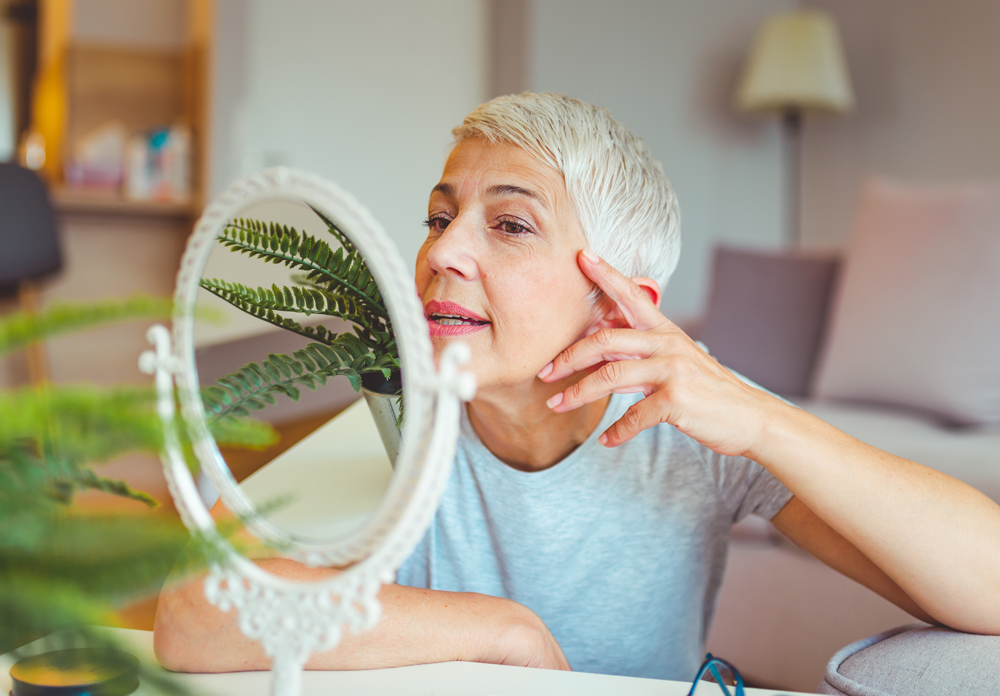
Most People Suffer from Body Unhappiness
In Narcissism by the late Alexander Lowen (1910-2008), the founder of Bioenergetic Therapy and one of the greatest clinical somatic psychotherapists, observed that much unhappiness in the human condition is self-inflicted by seeking to emulate images of the self rather than the reality. His observations are confirmed by several decades of research that most people are unhappy with their bodies. That is, most people around the world don’t like their bodies and wish they were different. This condition is so common that it is known as normative discontentment.
I recently had a conversation with a woman-friend of mine and was explaining normative discontent. She interrupted me saying, “Oh, I don’t have that. I like my body the way it is. Although I really need to lose a lot of weight, and my face is too wrinkled, and I don’t like my hips.” I paused for a second and replied, “If you really loved your body, you would have said, ‘I really love my body’ and nothing more. She got the point of what it means to have a chronic level of body dissatisfaction.
Healing and Maintaining a Healthy Body Image
Scientific studies provide a mountain of evidence that the body image is quite plastic and easily changed. It is actually quite fragile and susceptible to negative influences. These include media images and negatively critical family, friends, and lovers. The good news is that positive influences can correct body image dissatisfaction.
- Change the way you think about your body
Examine your habitual thoughts and beliefs about your body. Use a journal and write down all the things you don’t like about your body. Take it region by region. Be sure to include the negative thoughts and images that may come up.
Then do the opposite and list its strengths and good points. Focus especially on your body’s physical competence and positive body feelings and sensations that give you pleasure.
Now write down all the positive and negative beliefs you have about being a female or a male. Do any of these relate to your sense of self.
Lastly, write your own definition of beautiful, handsome, attractive, sexy, and desirable. Now take these definitions and make them broader and more inclusive and less narrow and selective.
Study how a broader definition of what makes you a physically competent and attractive person has nothing to do with media images, cultural beliefs, age, or weight.
You have just created a new set of cognitive filters with which to screen out negative information and increase positive thoughts and feelings.
- Change the way you speak about your body
Become more aware of when talking with others how you express thoughts and emotions about your body. The old saying, “If you can say anything good, then don’t say anything at all” applies here. Typically, in conversation when body topics come up, people tend to disparage themselves and the others respond with denials about their negative assessments. Women do this a lot. It’s called “fat talk.” Men do it too, but mainly focus on muscularity. Either way, research shows that fat talking is used to develop interpersonal solidarity and connection with others, but it actually increases body image unhappiness.
- Change the way you carry yourself
Anxiety, depression, and shame are all related to bodily unhappiness and are reflected in posture and movement patterns. Take some time in a large space to practice your posture and walking. What is helpful would be a yoga tape to practice the standing “mountain” pose of balanced alignment with slow, deep breathing. Practice this posture with awareness by closing your eyes and scanning your body region by region. This is a slow, meditative exercise so take your time, follow your relaxed breath to pace yourself, and be sure to note in your body image journal any observations or insights. You can practice this posture just about anywhere you are standing for brief periods of time. My favorite place is standing in line at the grocery store.
- Change the way you look at others
There is a concept known as “the looking-glass body” and is a revision of the more famous concept in sociology: “the looking-glass self.” This concept describes the process by which a person forms their identity on how they believe others perceive them (Cooley, 1902). Likewise, our speculations about how others view our body affects body image. Again, take an inventory of your thoughts, beliefs, and feelings about the bodies of others. Look for your standards of it means to be beautiful or handsome or a man or woman. Take off your lenses of criticism and throw them away. Becoming positive, generous, and kind to others will help you do the same for your body-self.

Orienting Your Body Relationship
Your relationship to your body is the most fundamental one of all. Making peace with your body through awareness, patience, gentleness, slowness, and love is the path to a happy and healthy body image. Change starts with the bodymind and it should happen at a relaxed pace. Regardless of what you might have heard, real transformation does not happen in a radically intense firestorm of change. That change is usually superficial and/or ephemeral. The true path to change is very much one of “chop wood, carry water.”
The key to all of this is that self-appraisals need to be realistic, reasonable, and tempered with much self-compassion and body appreciation. It is at this point you may take your efforts to a new level by incorporating body-positive activities. Research shows that massage, exercise, mindfulness (or bodymindfulness), healthy diet, and body self-affirmations are all associated with positive body image. Design an informal program tailored to your experience and needs.
Also, please know I’m not advocating anything that I don’t already do myself. We’re all in this together whether we realize that or not. The findings of normative discontent make that abundantly clear.
Paul Shane, Ph.D., LMT
Director, Academic Content
References
Cooley, C. (1902). Human Nature and the Social Order. New York: Scribner’s.
Recommended Reading
Albers, S. (2012). Eating Mindfully, Second Edition. Oakland, CA: New Harbinger Publications.
Bonnice, L. (2007). Shape Shifting: Reclaiming Your Perfect Body Image. Self-published.
Cash, T. (1997). The Body Image Workbook: An 8-Step Program for Learning to Like Your Looks. Oakland, CA: New Harbinger Publications
Crook, M. (1991). The Body Image Trap: Understanding and Rejecting Body Image Myths: Bellingham, WA: Self-Counsel Press.
Millman, D. (1979). The Warrior Athlete: Body, Mind & Spirit. Walpole, NH: Stillpoint Publishing.
Newbigging, S. (2015). Body Calm: The Powerful Meditation Technique That Helps Your Body Heal and Stay Healthy. Carlsbad, CA: Hay House.
Hutchinson, M. (1985). Transforming Body Image: Learning to Love the Body You Have. Freedom, CA: The Crossing Press.
Ralston, P. (2006). Zen Body-Being: An Enlightened Approach to Physical Skill, Grace and Power. Berkeley, CA: Frog, Ltd.
Rodin, J. (1992). Body Traps: Breaking the Binds that Keep You from Feeling Good About Your Body. New York, NY: William Morrow & Co.
Stahl, B. & Goldstein, E. (2019). The Mindfulness-Based Stress Reduction Workbook, Second Edition. Oakland, CA: New Harbinger Publications.
Tribole, E. & Resch, E. (1995). Intuitive Eating. New York, NY: St. Martin’s Paperbacks.
Wilhelm, S. (2006). Feeling Good About the Way You Look: A Program for Overcoming Body Image Problems. New York, NY: The Guilford Press.